
Time-of-use vs single-rate electricity plans: which is cheaper for you?
Time-of-use plans charge more in the evening peak and less during the day. Here's how they work, and how to tell if one suits you.

Plain-English tips to help you understand your bill and stop overpaying.
Time-of-use plans charge more in the evening peak and less during the day. Here's how they work, and how to tell if one suits you.

Eligible households can get an electricity concession or rebate. Here's the official help in each state we cover, and how to apply.

Default electricity prices reset on 1 July, and market plan prices can change at other times. Here's when to compare your plan.

Switching retailers doesn't cut your power or change the poles and wires. Here's how a switch works, including the 10-day cooling-off period.
The DMO and VDO cap standing offers from 1 July each year. Here's what they mean, and why comparing market plans still matters.
Your NMI is a 10 or 11-character code on your electricity bill. Here's where to find it, why it isn't your meter number, and why it matters.
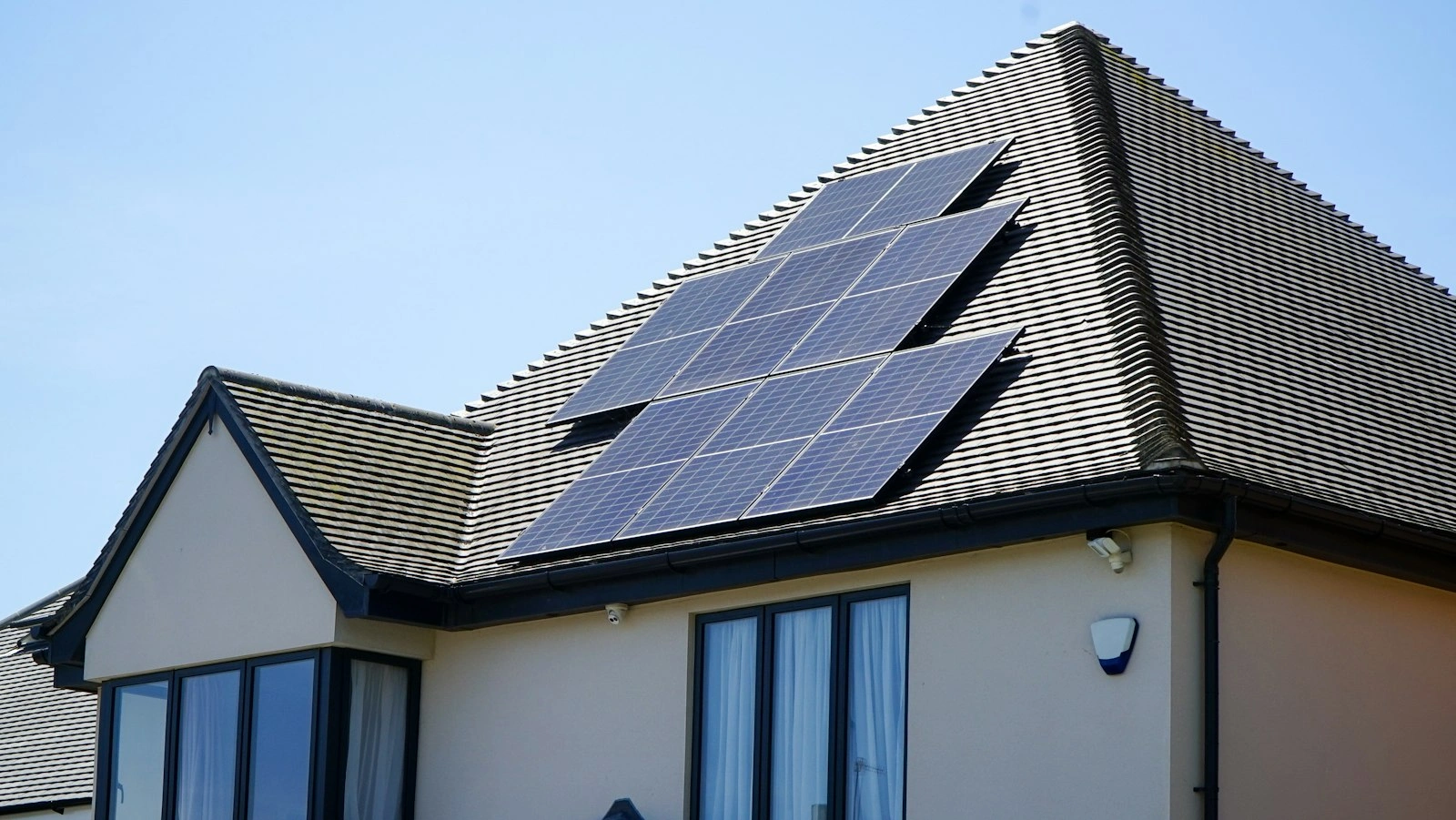
Why self-consumption and usage rates usually matter more than a high feed-in tariff, plus how time-of-use plans change the maths for solar homes.

Guaranteed vs conditional discounts, the DMO/VDO reference price, and why yearly cost for your usage beats a big percentage off.
Supply charge, usage rate, kWh, feed-in tariff and NMI — the five figures that actually matter on an Australian electricity or gas bill.